Rajeev Vikas is a distinguished philosopher, metaphysician, poet, and novelist who has spent more than 25 years exploring profound philosophical questions with intellectual rigor and creative curiosity. His work moves across philosophy, literature, poetry, fiction, and translation, reflecting a rare combination of analytical thinking and artistic expression. He is the author of Beauty Gone to Hell, a philosophical novel exploring themes of marriage and morality, and The God: The Failure, a philosophical book of verse inspired by the spirit of The Song of Zarathustra. Beyond his published works, he has written hundreds of original poems and stories and translated F. Scott Fitzgerald’s celebrated novel The Great Gatsby into Hindi. His ongoing literary and philosophical projects include the novel Indo Qaeda and a new interpretation of Wittgenstein’s Tractatus Logico-Philosophicus. Through his writing, Rajeev Vikas continues to question established assumptions and explore the fundamental questions surrounding existence, society, morality, suffering, and human consciousness. Philosophy Meets Literature His work stands at the intersection of intellectual inquiry, scientific thought, metaphysics, and creative expression—encouraging readers to question not only what happens in the world, but why.
A Philosophical Solution
Contact for the solution of any social, political, economic, religious, official, academic especially, personal issue. Follow the advice solution is guarantee.
For Rajeev Vikas, writing is not simply about providing answers.
It is about asking better questions.
His decades of engagement with philosophy, metaphysics, poetry, literature, and scientific thought have shaped an approach that seeks to examine human existence from multiple perspectives.
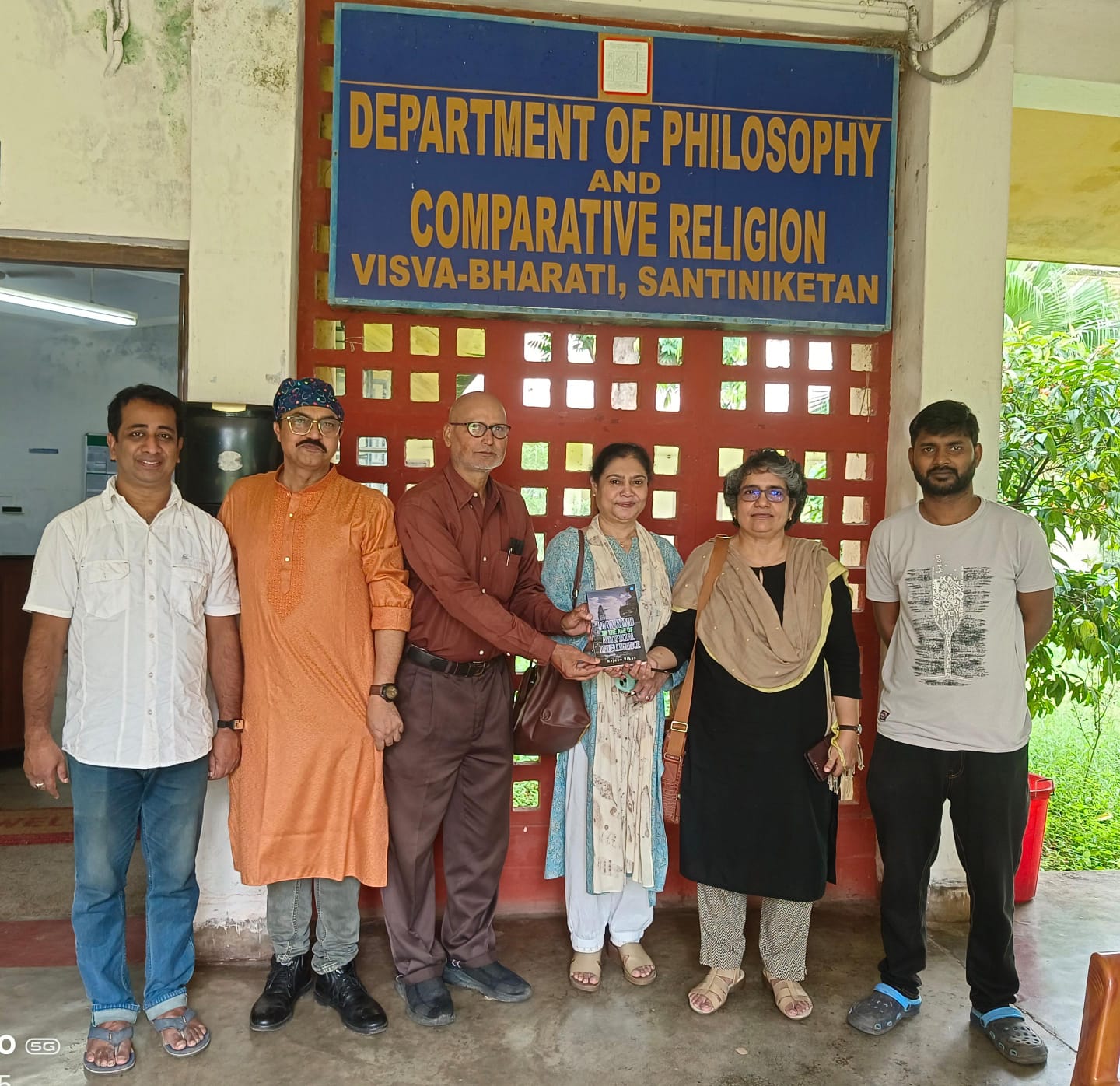
Mankind in the Age of Artificial Intelligence continues that journey—bringing together philosophical reflection and contemporary realities to examine the forces that have shaped humanity and those that may determine its future.
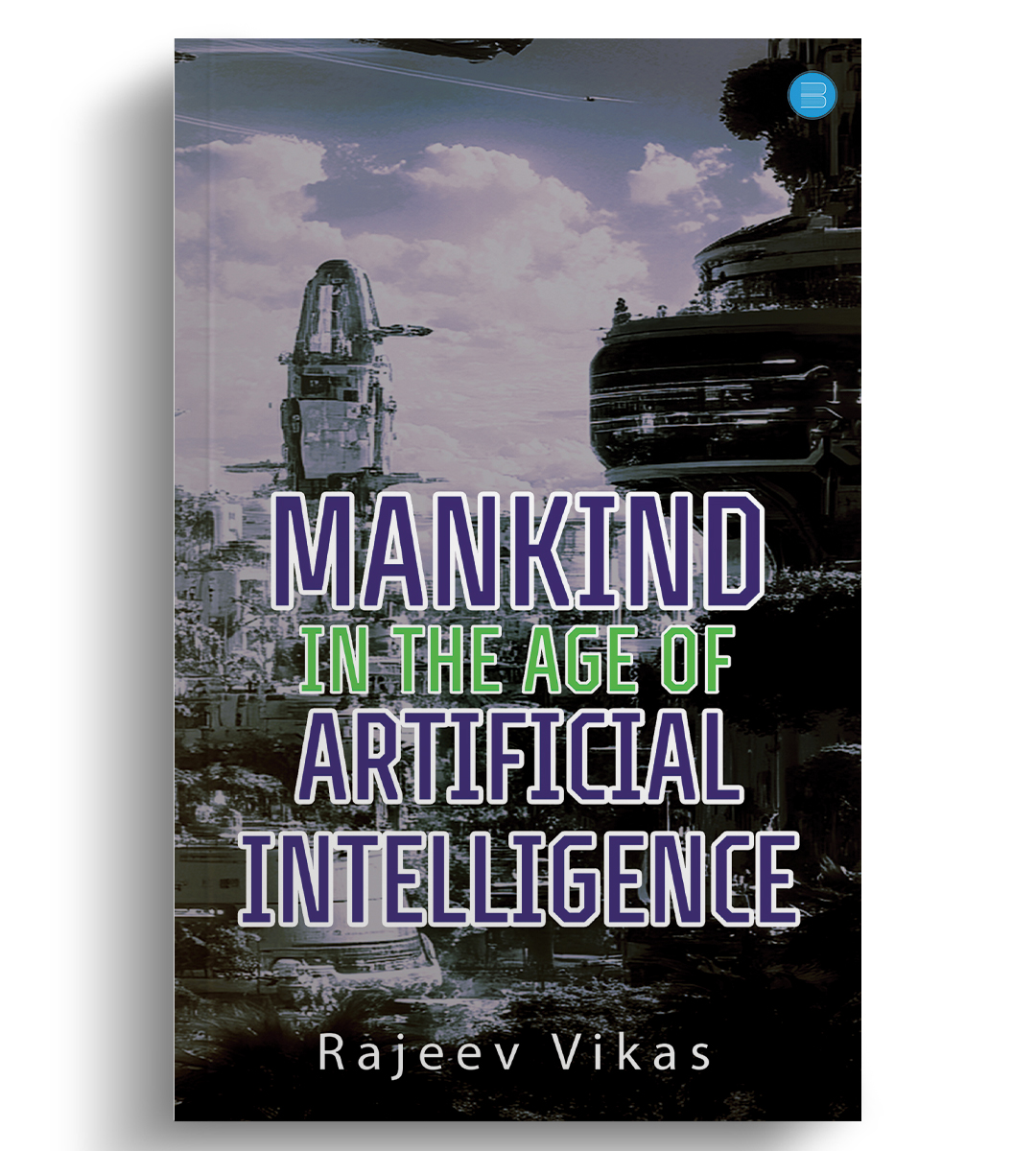
Mankind in the Age of Artificial Intelligence
A Philosophical Inquiry Into Human Evolution and the Future of Civilization
Humanity has travelled an extraordinary distance. From the earliest stages of existence, shaped by ignorance, insecurity, survival, and fear, human beings gradually developed systems of knowledge, social structures, technology, institutions, and civilizations. Yet progress has not eliminated suffering. Instead, the complexity of modern life has created new forms of uncertainty, conflict, inequality, and inhumanity. Mankind in the Age of Artificial Intelligence examines this journey through a rational, philosophical, and scientific framework. The book explores the evolution of the universe and human society while questioning the deeper forces responsible for human suffering and recurring global crises. It moves beyond simply describing events to investigate the underlying causes and interconnected systems that shape them. From the COVID-19 pandemic and climate change to major social and political movements such as the Civil Rights Movement in the United States, the book examines contemporary crises through a broader philosophical lens. At its heart lies a fundamental question: As humanity creates increasingly powerful forms of intelligence, are we becoming better at understanding ourselves?
Philosophy begins with curiosity. If the ideas explored in Mankind in the Age of Artificial Intelligence make you question, reflect, or see the world differently, connect with Rajeev Vikas and continue the conversation.